
What We Actually Do on Nevado Raiders raids is not just about moving boats from Point A to Point B. Each leg is built around experiences, learning, and real family life on the water:
🎒 Young Raiders: Learning on the Coastlines
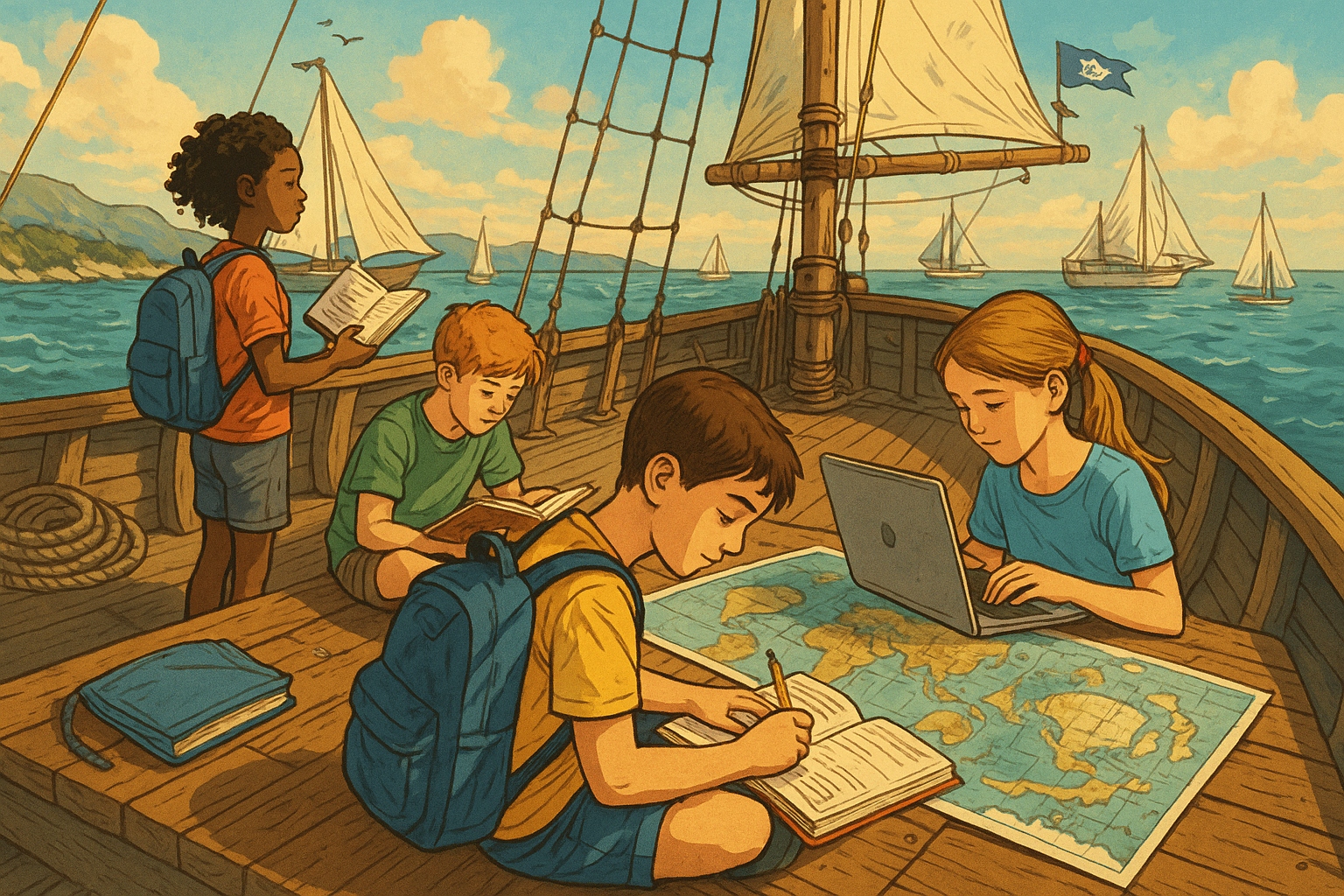
The Nevado Raiders are not just for adults. As the fleet grows, we want families to feel welcome bringing their kids as Young Raiders. Young Raiders are still students. Each day, we set aside quiet blocks of time on the guardian vessels or in camp for kids to work on their regular schoolwork or online curriculum. Parents remain in charge of what needs to get done; the fleet simply provides time, space, and support to make it happen. Beyond schoolwork, life on the water becomes a living classroom. Young Raiders learn seamanship, navigation, basic weather, and how to move respectfully through new places. When a Raider has a strong skill set in a subject—math, science, history, writing, languages, technology—they can voluntarily mentor Young Raiders during study time. Parents steer the overall education; experienced Raiders can help kids go further. We also want Young Raiders to act as ambassadors to children all over the world. As the expedition grows, we plan to create a dedicated online space where Raider kids can safely share videos, photos, drawings, and messages with kids back home or in other countries—inviting them to follow the journey and feel like they are part of the adventure too.
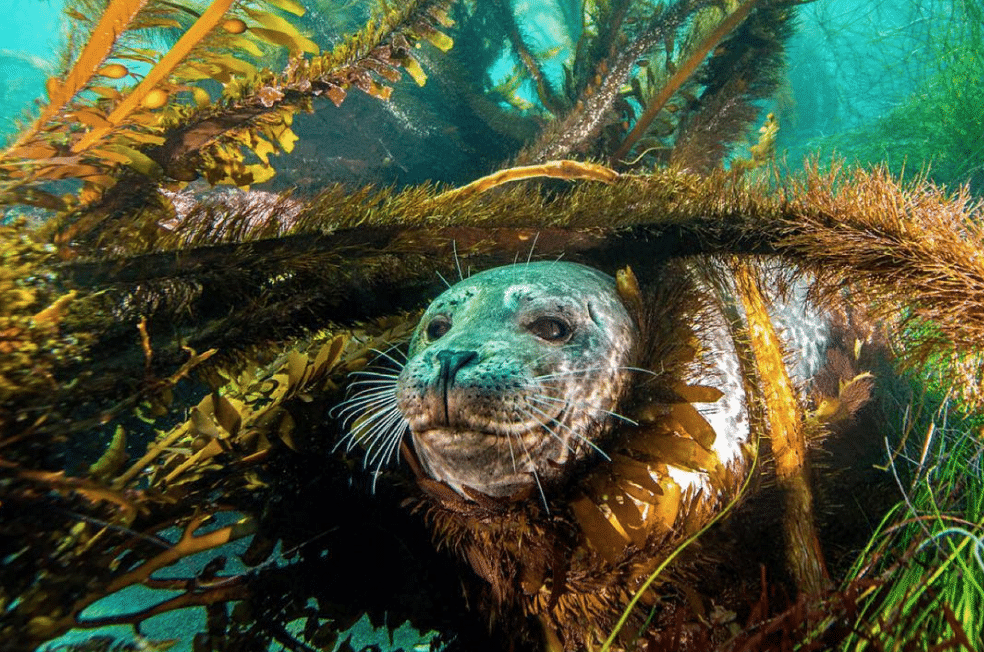
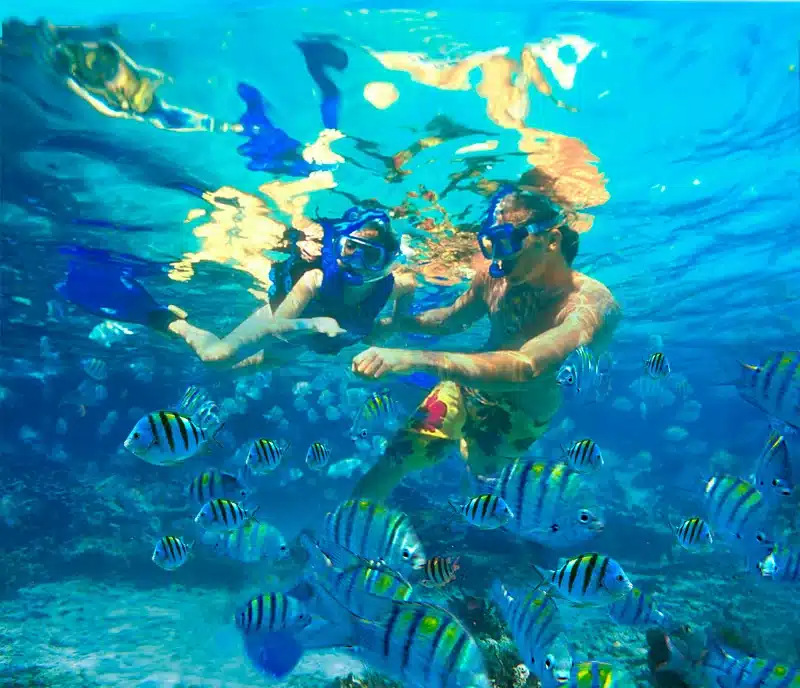
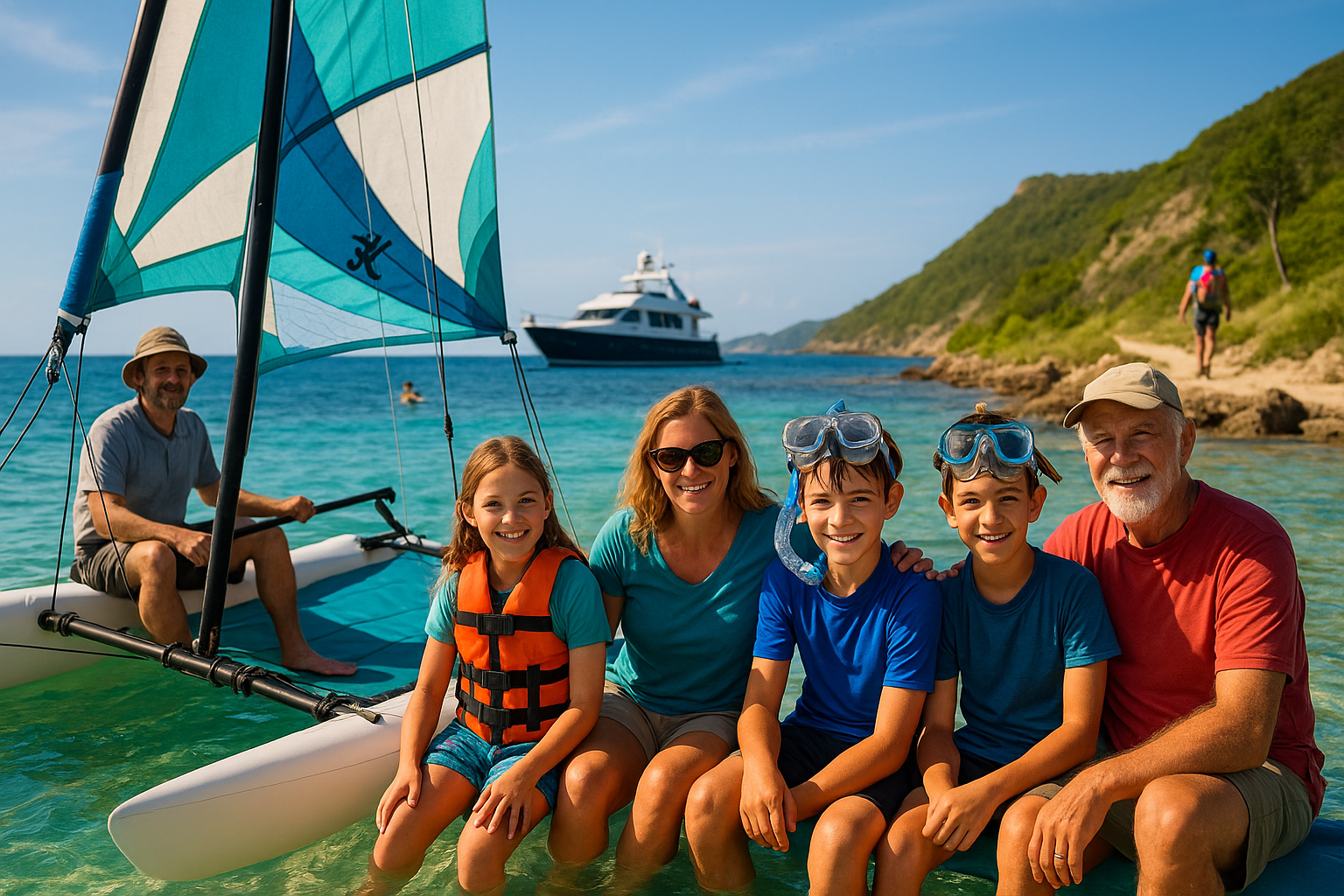
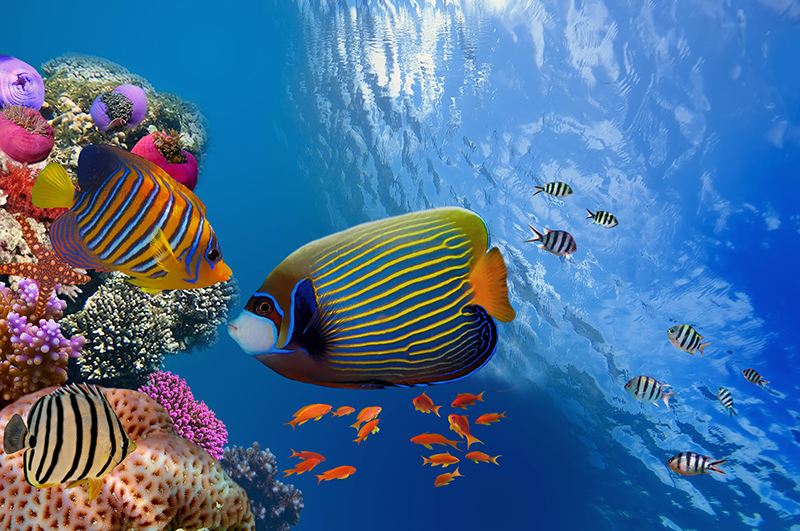
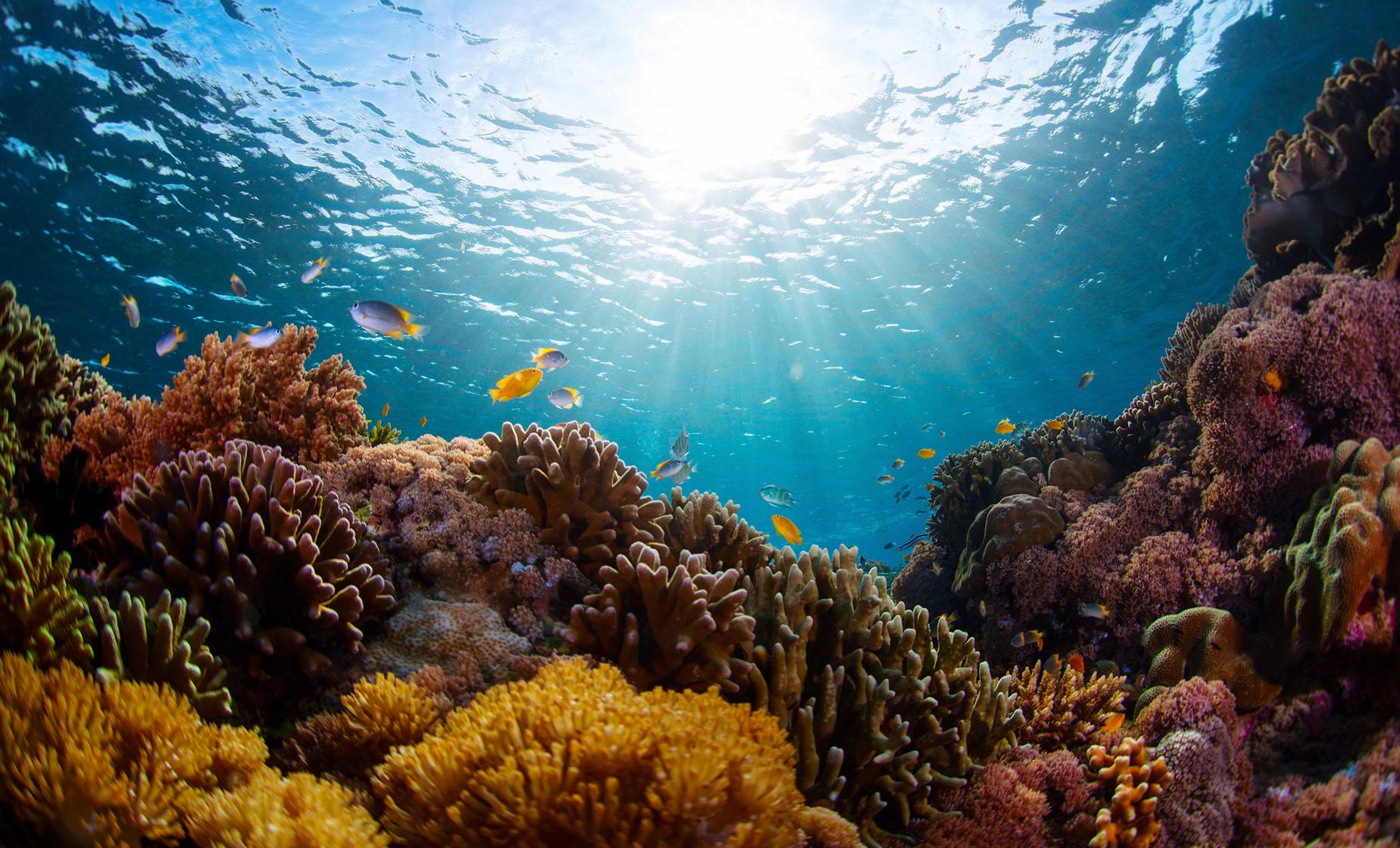
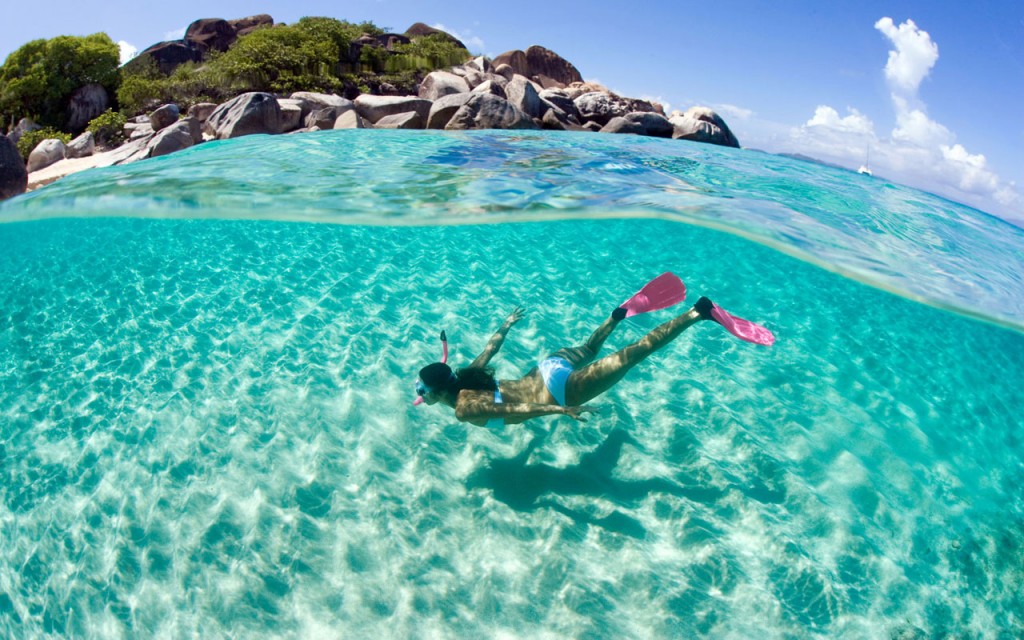
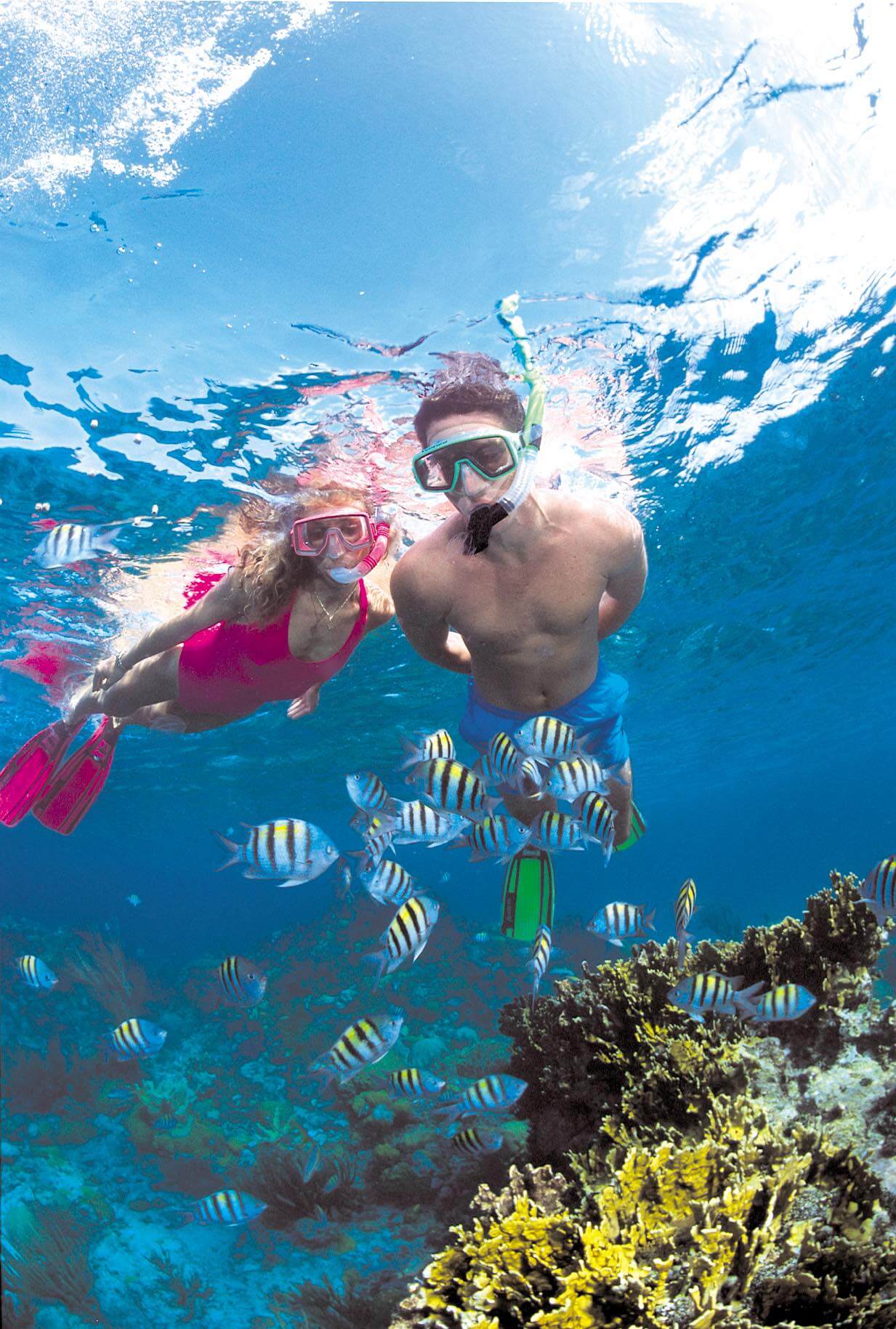
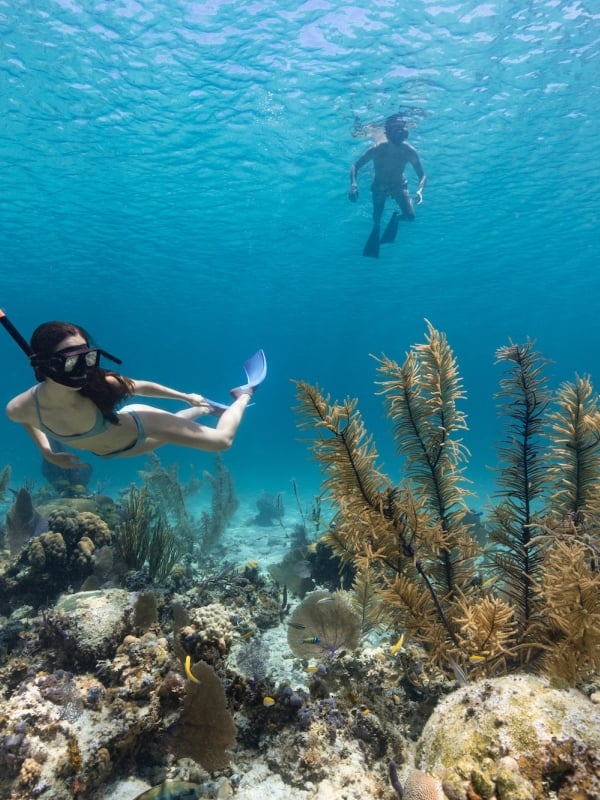
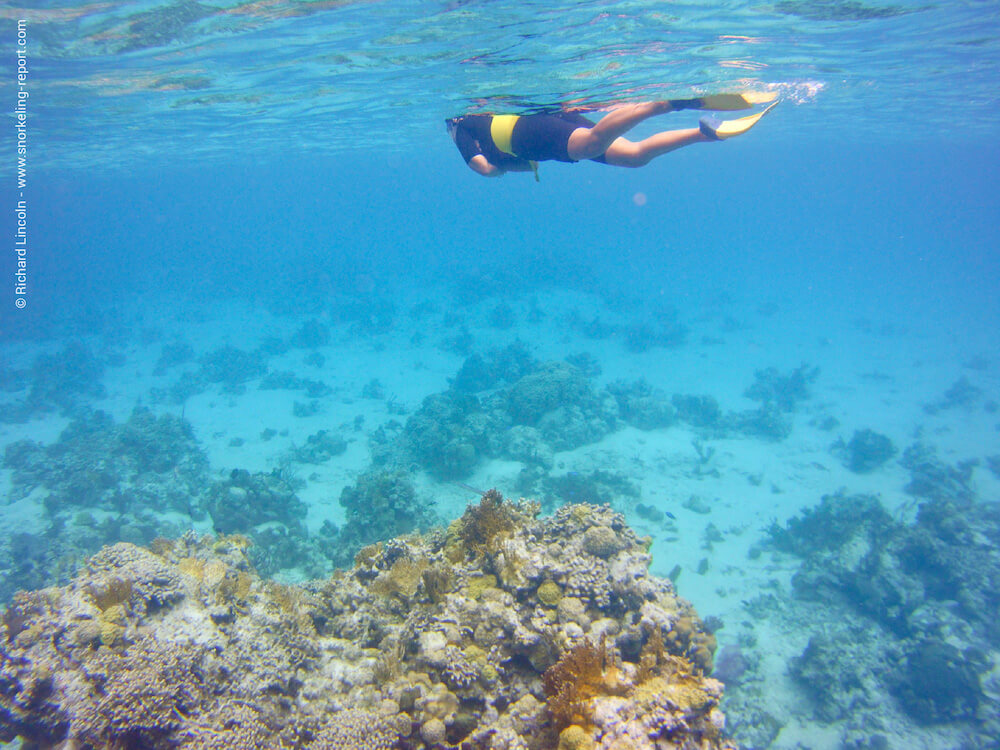
🐠 Snorkeling & Underwater Exploration - From kelp forests and jetties to coral gardens in the Caribbean and Bahamas, we drop the hook, launch from small boats, and spend serious time in the water.
🧭 Learning by Living on the Water - Beyond schoolwork, life on the water becomes a living classroom. Young Raiders learn seamanship, navigation, basic weather, and how to move respectfully through new places.
⛵ Friendly Racing & Skill Drills - Short courses between buoys, cays, and headlands sharpen everyone’s sailing skills. Small boats race close to shore while guardian vessels act as committee boats, safety platforms, and camera ships.
🥾 Hiking & Shore Adventures - We hike coastal trails, climb viewpoints, explore old forts and desert ridges, and give Young Raiders a sense of the land that meets the sea.
👫 Local Kids & Cultural Exchange - When it happens naturally, kids from nearby communities are welcome to come say hello at the beach or near the anchored fleet. They can talk, play, see the boats up close, and trade stories about their lives.
🎒 Young Raiders: Learning on the Coastlines - Young Raiders are still students. Each day, we build in quiet blocks of time on the guardian vessels or in camp for kids to work on their regular schoolwork or online curriculum. Parents remain in charge of what needs to get done; the fleet simply provides time and space to do it.
🌍 Ambassadors to Kids Around the World - We also want Young Raiders to act as ambassadors to children all over the world. As the expedition grows, we plan to create a dedicated online space where Raider kids can safely share videos, photos, drawings, and messages with kids back home or in other countries—inviting them to follow the journey and feel like they are part of the adventure too.
🤝 Mentoring from Within the Fleet - When a Raider has a strong skill set in a subject—math, science, history, writing, languages, technology, you name it—they can voluntarily mentor Young Raiders during study time. Parents steer the overall education; experienced Raiders can help kids go further.
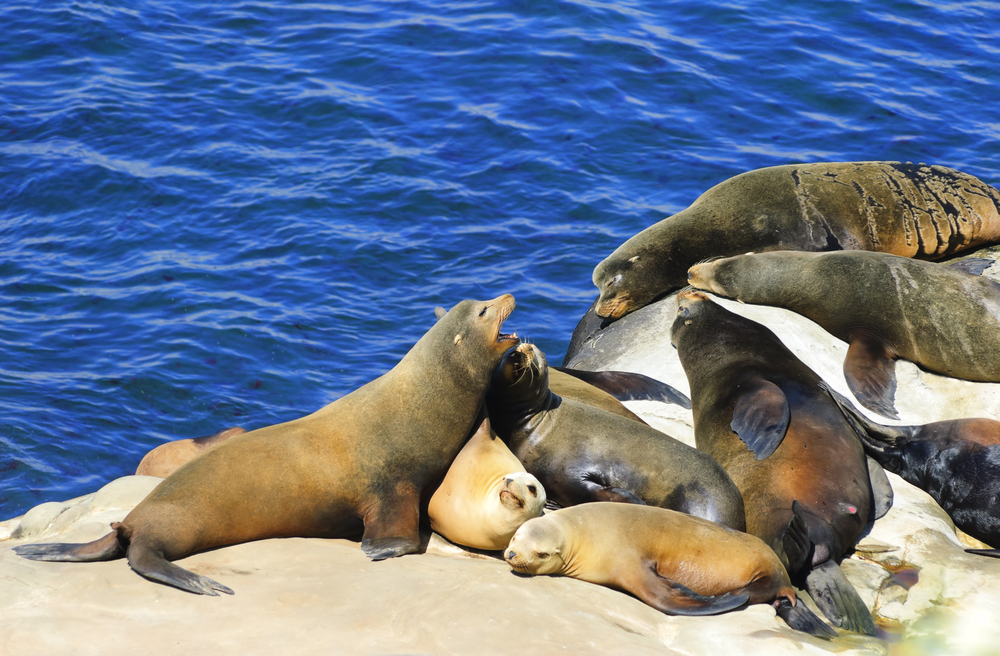
Highlighted Stops & Fleet Activities: Pacific Coast & Sea of Cortez Channel Islands National Park (off Southern California): Crystal-clear water, kelp forests, and sea caves make this a top snorkeling and training destination. The small-boat Raiders can stage a short race between an anchorage and a reef marker, while the larger guardian vessels hold safe anchorages nearby. After the finish, everyone drops in to snorkel among kelp and sea lions. La Jolla Cove (San Diego): Protected marine reserve with sea lions, leopard sharks in summer, and excellent visibility. Ideal for a daytime sprint: start at the cove, race around a point, then have the small boats raft up briefly while the bigger boats stay farther out as mother ships for gear, food, and cameras. Sea of Cortez / Baja California (including Bahía Concepción): Known as “the world’s aquarium,” the Sea of Cortez will be a key part of our 2026 ocean shakedown year. Sheltered bays like Bahía Concepción are perfect for a mixed fleet: guardian vessels at secure anchor, small boats running windward reaches around headlands, then everyone regrouping for snorkeling in calm, fish-rich water. Note: These stops are just a few of many possibilities along the Pacific coast and the Sea of Cortez.
Highlighted Stops & Fleet Activities – Florida Keys & U.S. Gulf / AtlanticFlorida Keys (Atlantic side): Reefs like those at Key Largo’s John Pennekamp Coral Reef State Park are classic snorkeling grounds. The fleet can anchor guardian vessels in protected water while the small boats race between two reef buoys, then sail back to snorkel coral and sea turtles near Sand Spur or Calusa Beach. Gulf Shores & Orange Beach (Alabama Gulf Coast): Artificial reefs and shallow jetties make for accessible snorkeling right off the beach. The fleet might rally at the jetty entrance, send the small boats on a short course out to a reef marker, then return to anchor for snorkeling around man-made reef structures while the larger boats stand by offshore. Destin Jetties & East Pass, Florida: Recognized snorkeling zones where man-made reef structures abound. Picture a timed sprint from the guardian vessels to the jetties and back, followed by sunset snorkeling, then hot food served on the big boats after dark. Note: These stops are only a portion of the Atlantic and Gulf coastline possibilities.

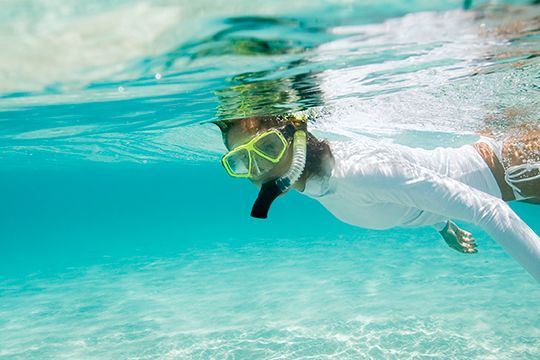
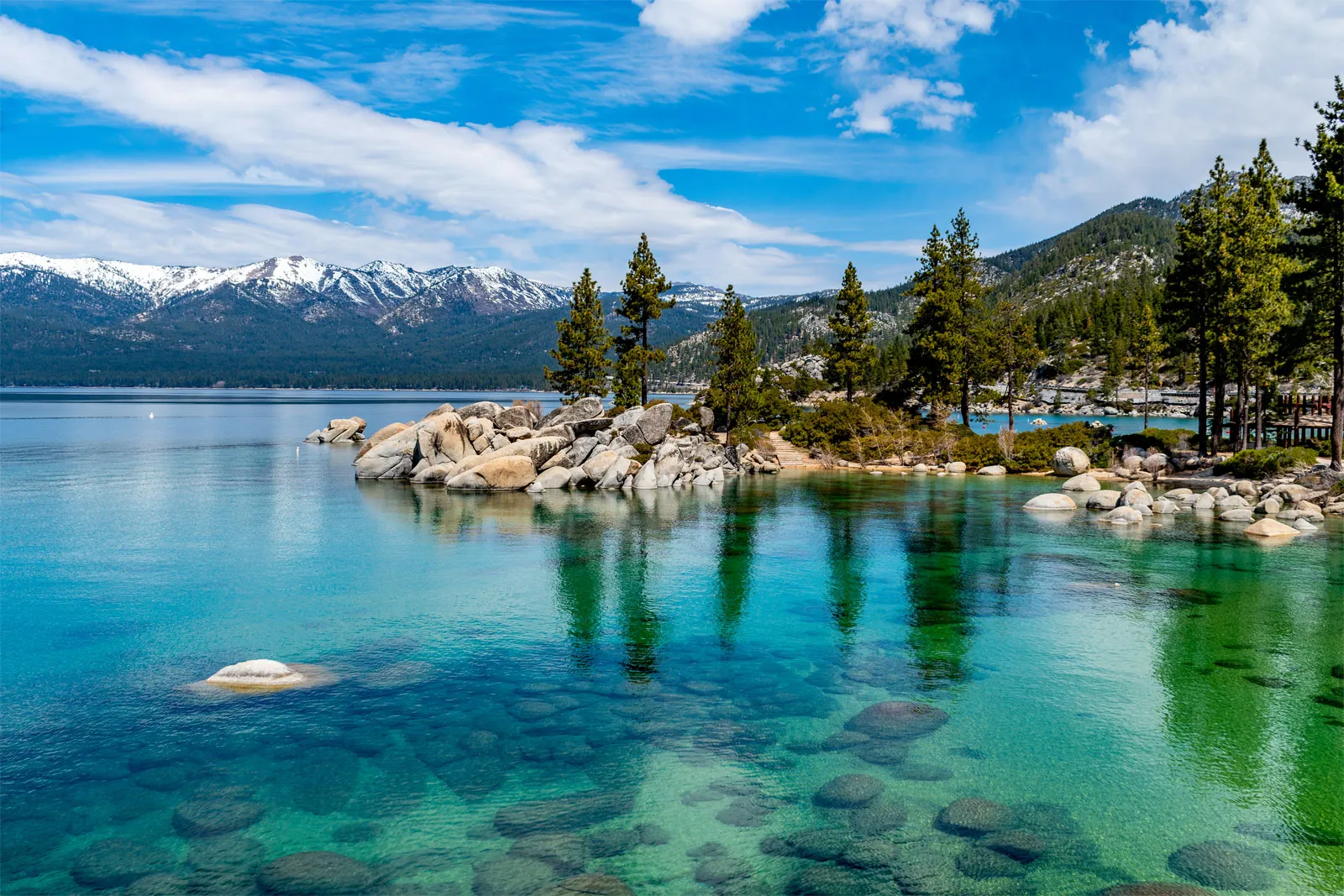
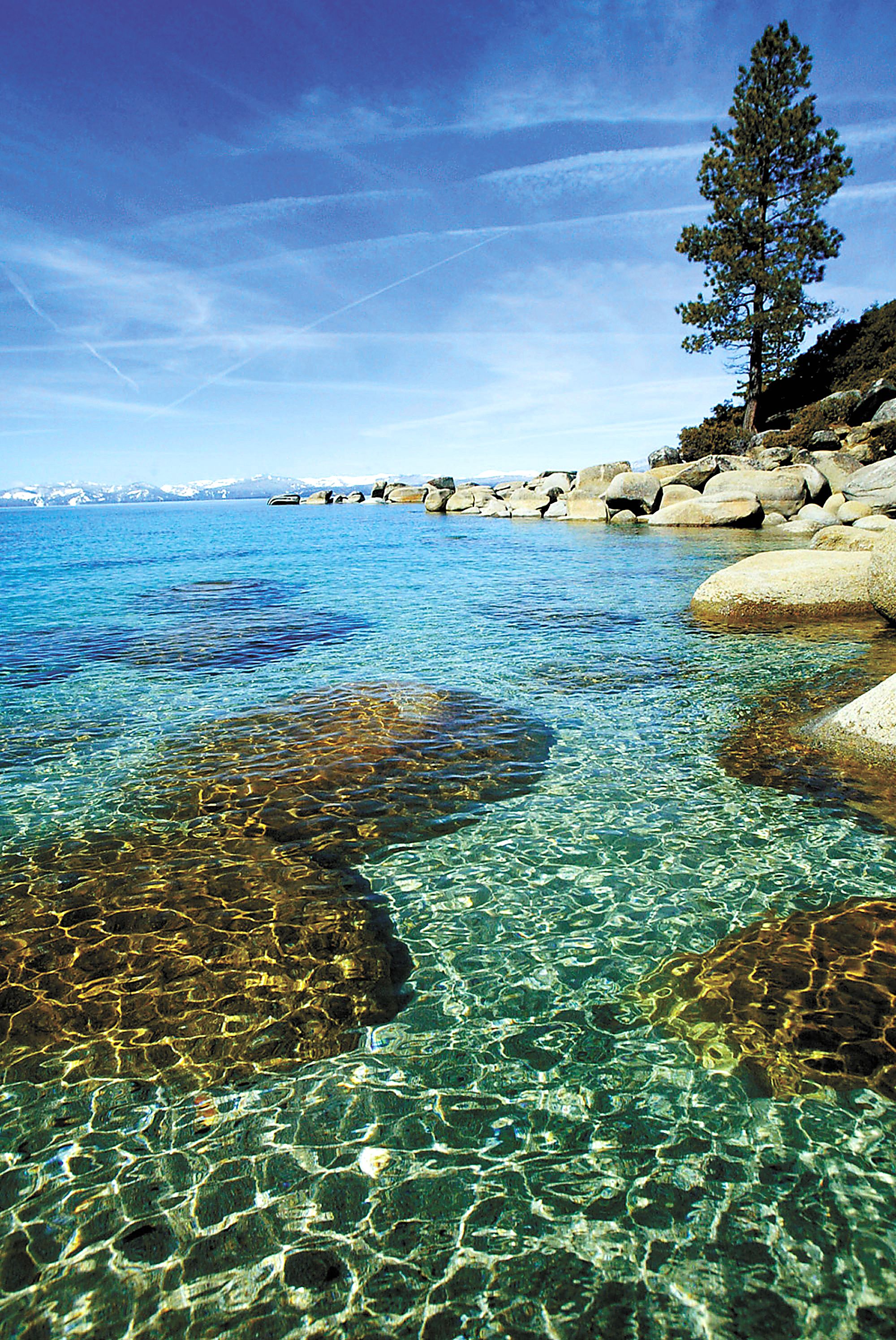
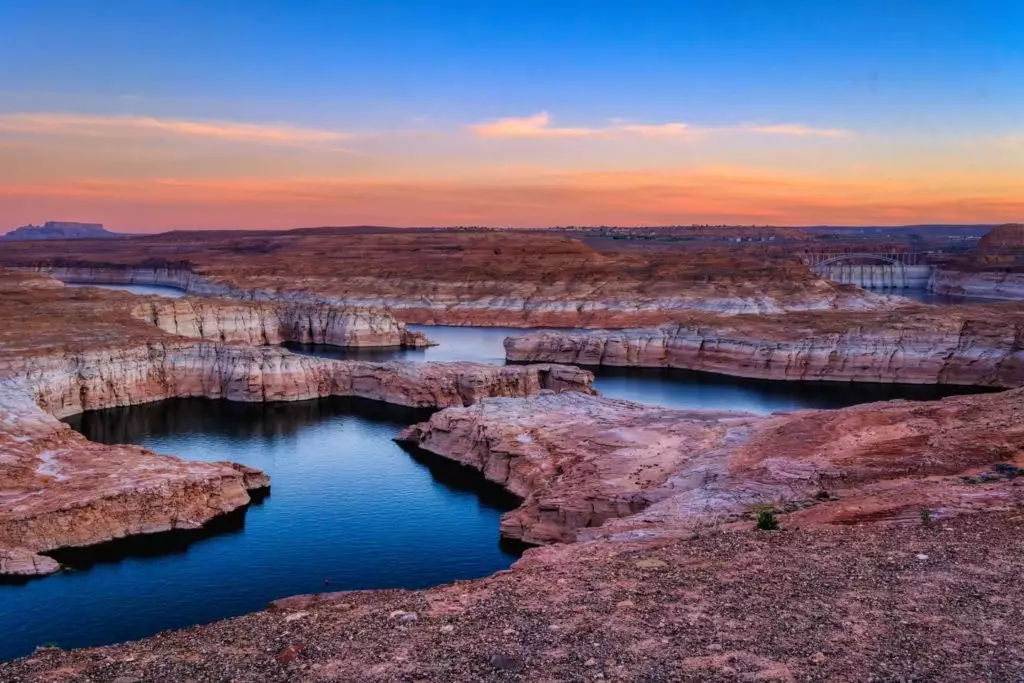
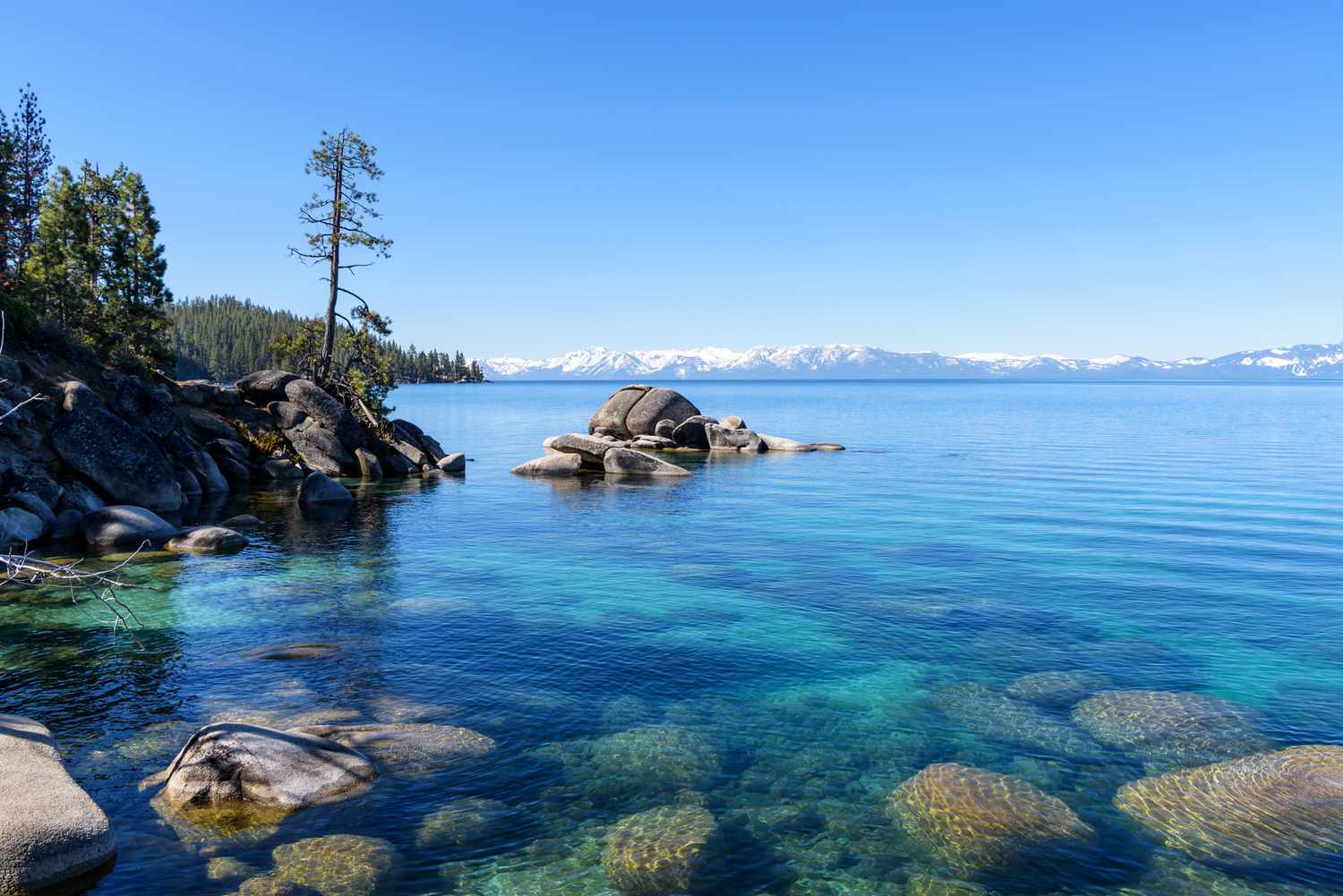
Freshwater Lakes – Western U.S. Training Raids/Destinations include: Lake Tahoe (California–Nevada), Great Salt Lake (Utah), Lake Mead (Nevada–Arizona). These western lakes will be central to our 2026 fleet-building and training year. Lake Tahoe: Alpine clear waters with a mountain backdrop—ideal for launching inland sail/race challenges, navigation practice, and tranquil lake snorkeling. Small boats can work the shoreline and coves, practicing close-quarters handling and fleet coordination. Great Salt Lake: A wide-open desert lake with unique conditions and striking scenery. Perfect for unusual buoy races, light-air tactics, and practicing fleet communications in a place that feels otherworldly. Lake Mead (Nevada–Arizona): A huge reservoir with canyon shores—excellent for winding races between rock walls and “anchor and snorkel” sessions in calm bays. Small boats explore the inlets and coves, learning how to plan routes, manage wind shifts, and travel together as a fleet. Note: These western lakes are only a sampling of the inland water destinations we may use for training raids before the worldwide coastline expedition begins in June 2027.
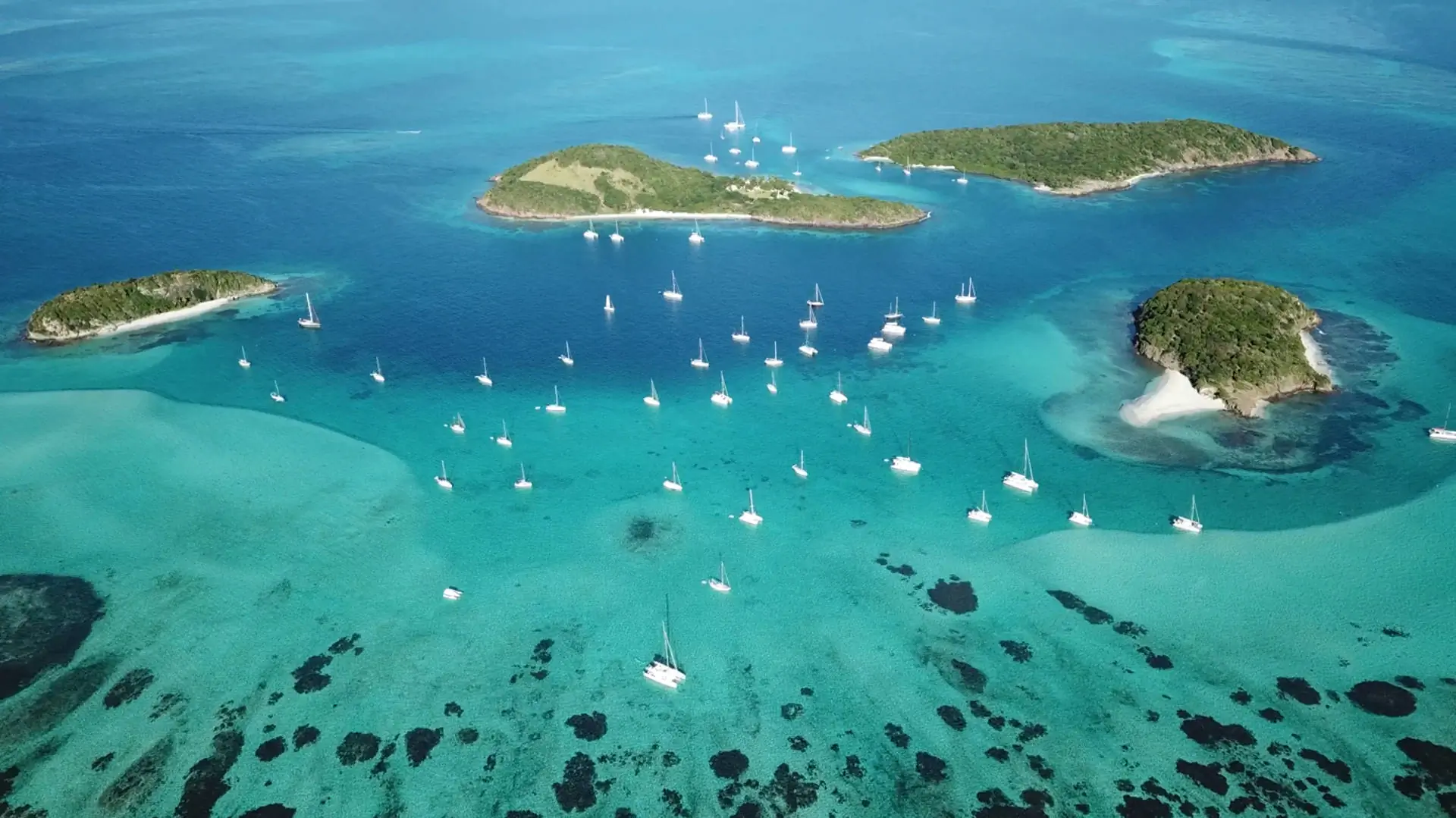
The Caribbean – Highlighted Stops & Fleet Activities: Tobago Cays (St Vincent & the Grenadines): Shallow coral lagoons ideal for snorkeling and short fleet races between cays. Guardian ships anchor in deeper sand patches while the small cats and day-sailers run short courses, then everyone meets back at the boats or on the beach to snorkel and explore. Aruba (Dutch Caribbean): Coral-rimmed west coast with excellent snorkel banks. The fleet can run a triangular race offshore, then drop anchor for reef exploration, with the larger cruising boats acting as the hub for meals and gear. Exuma Cays (Bahamas): Crystal-clear shallows and island-hopping opportunities—perfect for a mixed fleet. Small boats thread the cuts and sandbars; larger yachts anchor a bit farther out, providing safety, storage, and a place to regroup between legs. Hol Chan Marine Reserve (Belize): Famous for coral gardens, sea turtles, and visibility. Ideal for a day where the fleet focuses on snorkeling and underwater photography, with guardian vessels holding steady while the small boats shuttle snorkel teams to and from the reef. Virgin Gorda & Norman Island (British Virgin Islands): Includes “The Baths” and “The Caves” reef zones—shallow, clear, and packed with marine life. The fleet can split activities: some exploring ashore, others snorkeling or free-diving from the small boats. St. John (U.S. Virgin Islands): Shore-accessible trails and beaches like Trunk Bay make it a great stop for Young Raiders and their families—hiking, snorkeling, and easy dinghy runs from the bigger boats. Note: These are only a handful of the Caribbean island stops available to future Nevado Raiders raids.
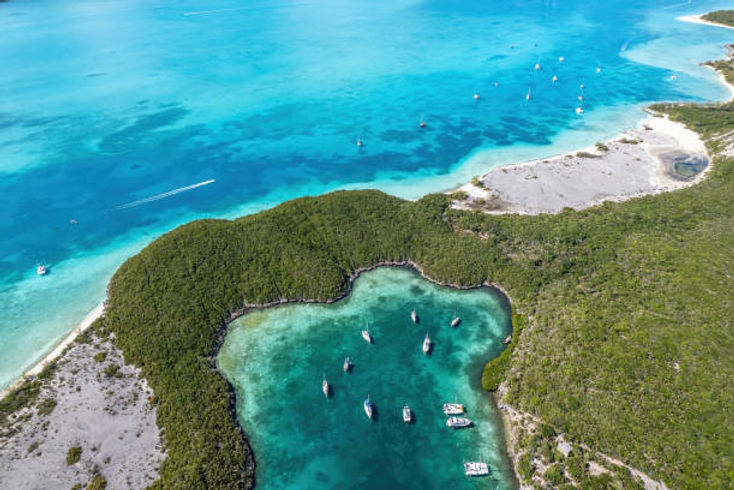

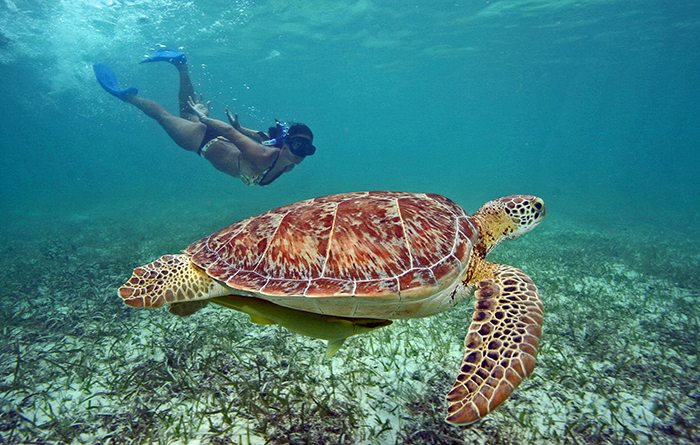
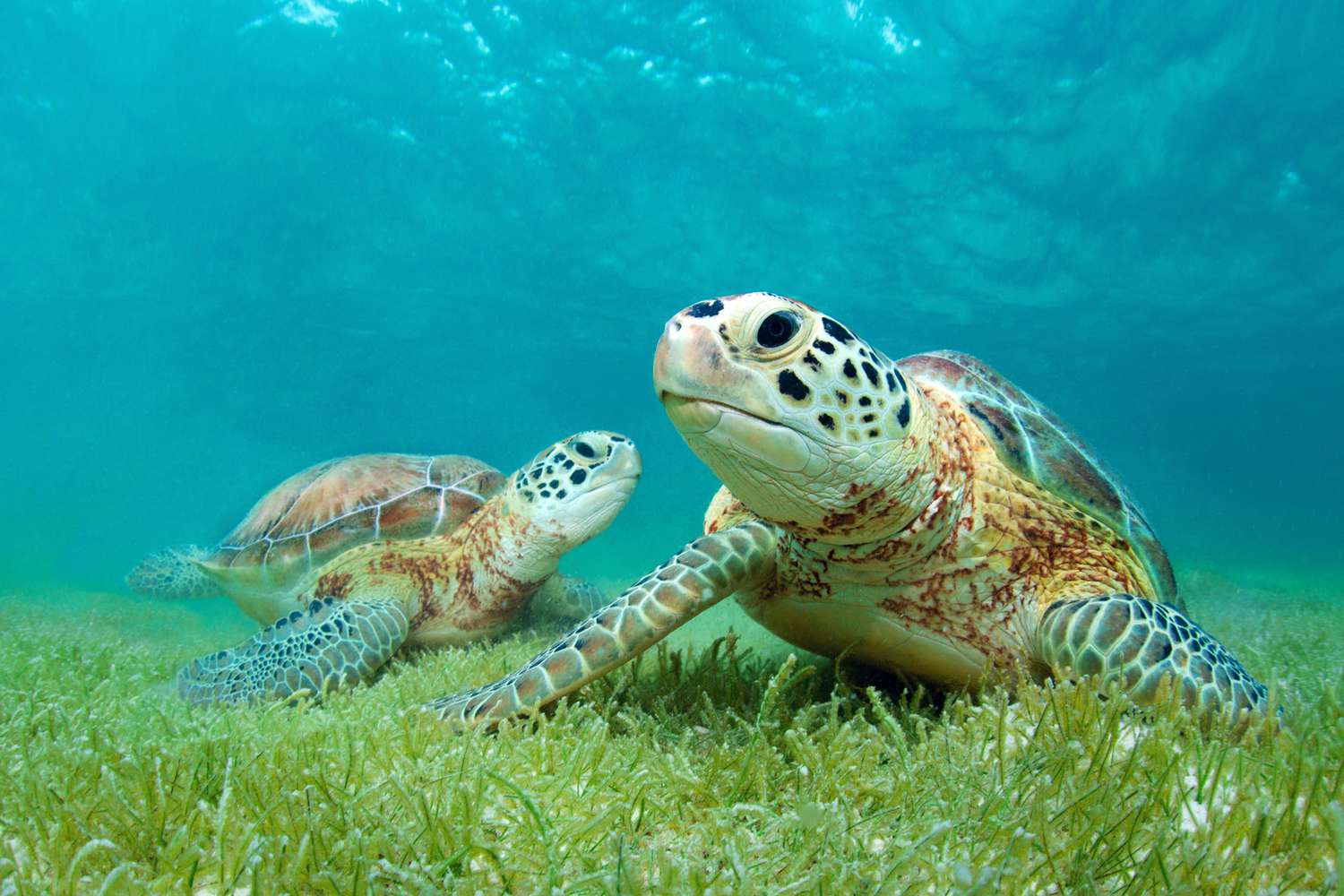
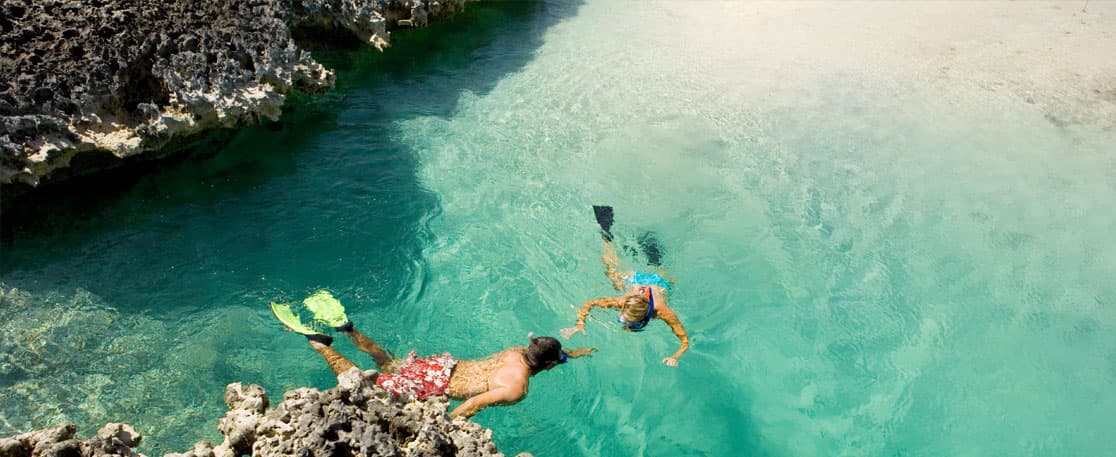
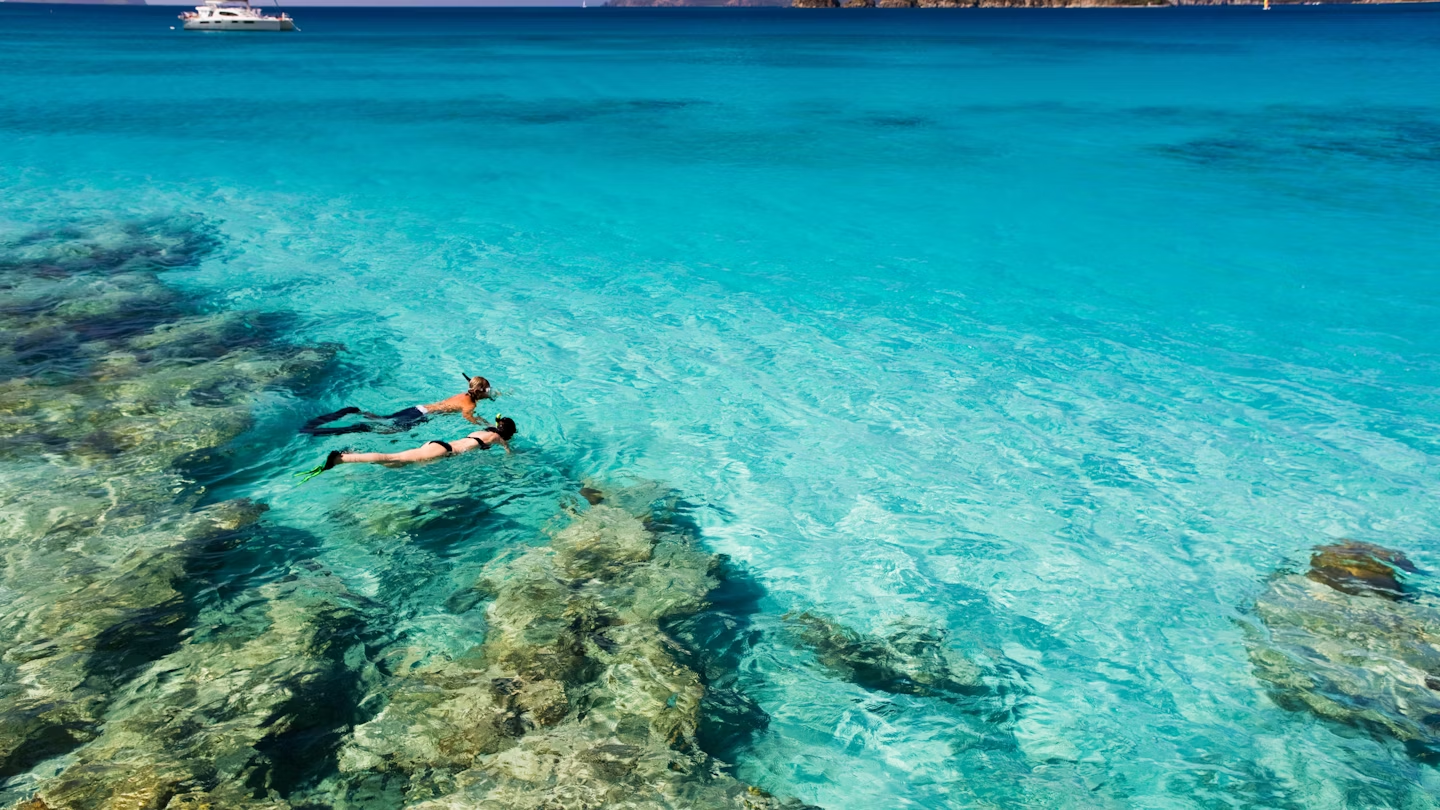

The Bahamas – Featured Stops & Fleet Activities: Exuma Cays (especially around Staniel Cay): Anchor the larger cruising boats in a sheltered cove, then set buoy markers for a short, sharp fleet sprint between two cays. Small boats run the course; snorkel teams drop in on nearby reefs to explore coral gardens and sea turtles. After racing and snorkeling, the fleet can raft up briefly, share stories under the stars, and settle into the calm of the out-island night. Near Nassau / New Providence: Use shallow reefs like Rose Island, Goulding Cay, or Love Beach for snorkel stops. A sample leg: start at an anchorage off New Providence, send small boats on a reef-marked loop, then finish at a beach for lunch and snorkeling while the guardian vessels stand by offshore. West Coast of Grand Bahama / Berry Islands: Clear water and fewer crowds—ideal for custom fleet exercises. Imagine a relay race: sail to a small cay, drop a snorkel team to explore a reef channel, rotate crews between small boats and big boats, then regroup at a sand-bar island for the evening. The shallow banks provide impressive visibility and dramatic underwater footage. Note: These are only a handful of the Bahamian island stops that could feature in future Nevado Raiders raids.
© 2024 Catamaran Dan through Nevado Ranch Camp LLC.
Managing Director: Catamaran Dan | Operations: QN
All rights reserved.